A professional AV foundation for mission-critical scenarios — from SDVoE zero-latency lossless, through H.265 deep compression, to the dual engine, NDI and the three-engine fusion, plus the AMX centralized hybrid matrix. Six technology routes covering every link in the AV chain.
One signal-chain skeleton, differentiated by what each project prioritises — image fidelity, bandwidth, processing features or architecture. The first five routes are IP-distributed; the sixth is a centralized chassis. Deliver one on its own, or combine them in a single project.
SDVoE (Software Defined Video over Ethernet) is an Ethernet-based AV transport technology. It delivers zero-latency, uncompressed, lossless 4K60 4:4:4 HDR over IP, using interference-resistant and highly reliable fiber — moving the AV industry onto a fully IP infrastructure.
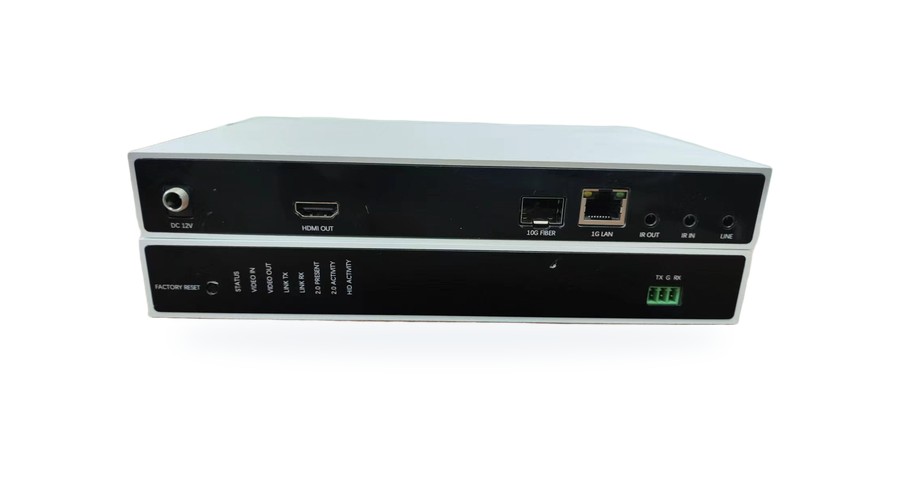
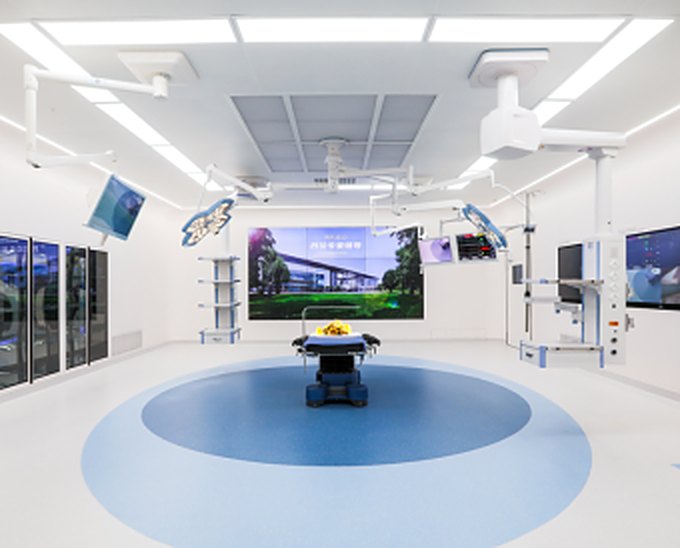
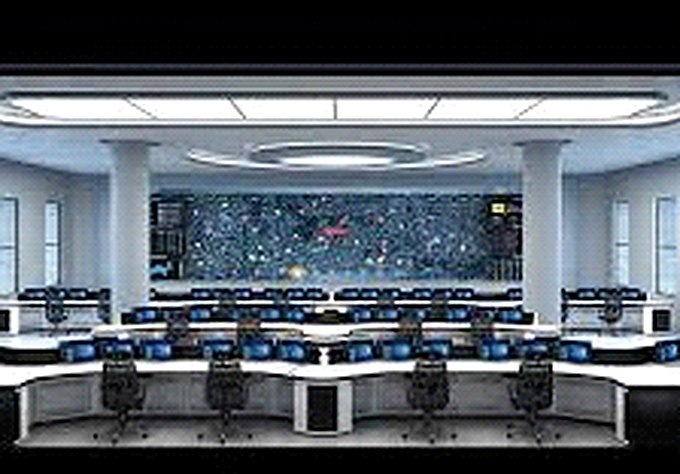

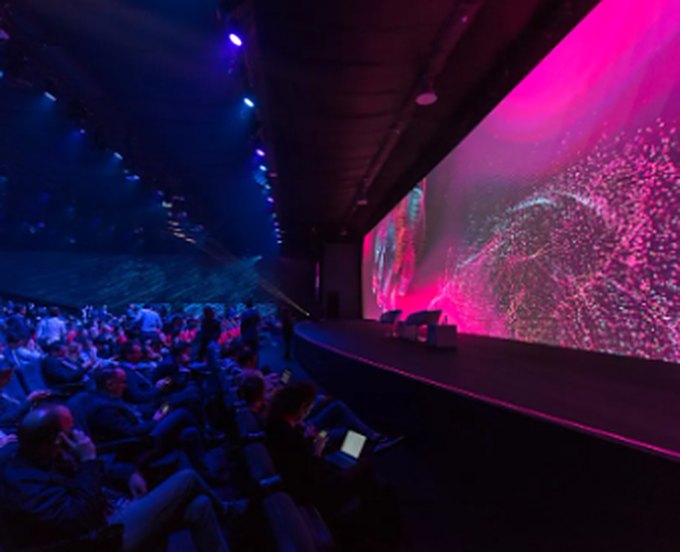
Industrial-grade codec silicon with end-to-end latency below 0.1 ms; lossless transport keeps motion true to the source.
4096×2160@60Hz 4:4:4 8-bit, with 4:2:2 10-bit, 4:2:0 12-bit and HDR support.
Built on a 10G Ethernet architecture with fiber runs up to 20 km; AMS-1000 reaches 10 km point to point.
AV, RS-232, IR and KVM managed on one network with encryption and security protocols; seamless switching and online EDID management.
Built on H.264/H.265 deep compression, supporting up to 4K@60. Strong windowing capability meets multi-window requirements, switching is fast and seamless, KVM is supported, and latency stays around 50 ms.
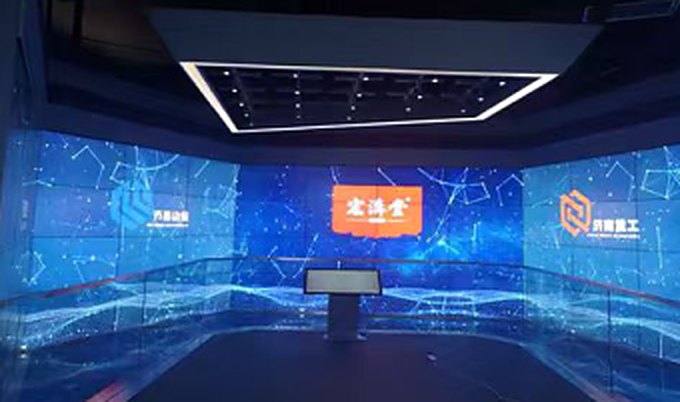
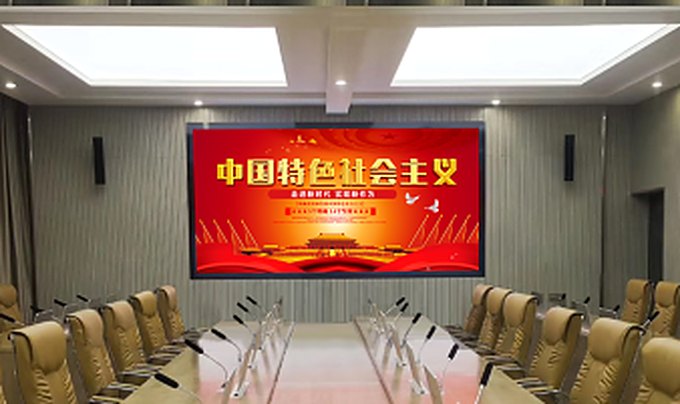
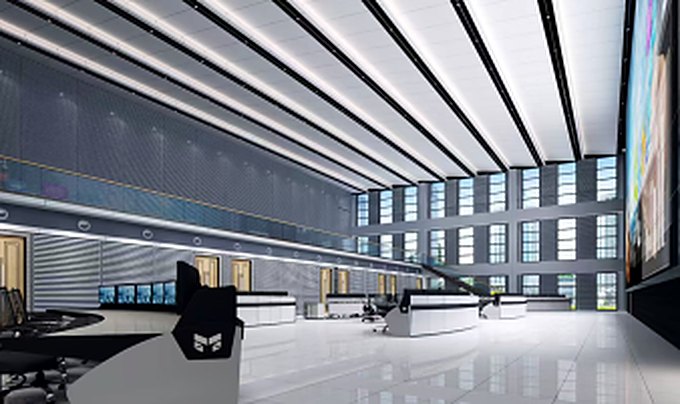
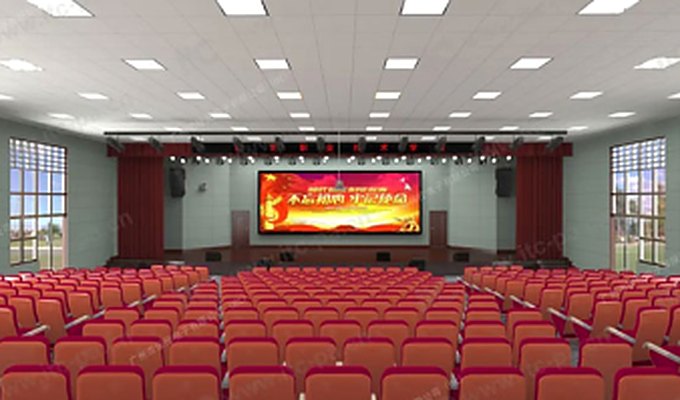
H.264 and H.265 support on standard gigabit networks — low cabling cost, long coverage.
Up to 16 windows per output with multi-view, splicing, roaming and overlay; switching without black screens.
Decoders can remotely control the encoder's source; 3.5 mm audio and HDMI outputs can loop out while encoding.
Decentralised deployment — any single failure leaves the system running. PoE plus adapter dual power for site conditions.
The dual-engine distributed concept was first proposed by ARICH. Deployed around a 4K ultra-HD switching center, it combines SDVoE's 4096×2160@60Hz 4:4:4 HDR zero-latency uncompressed transport with the rich video processing of H.265. Lossless ultra-HD delivery and low latency are preserved, while visualisation control and KVM operator management are added — solving poor image transport and poor KVM experience at the same time.
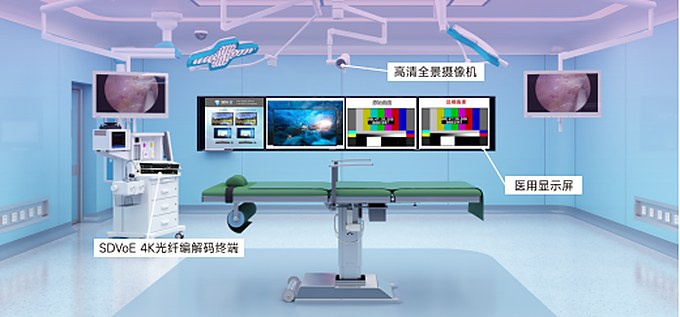
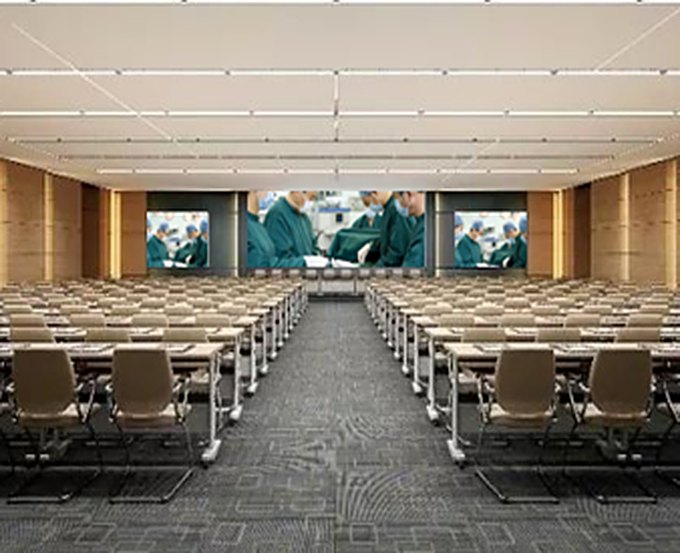
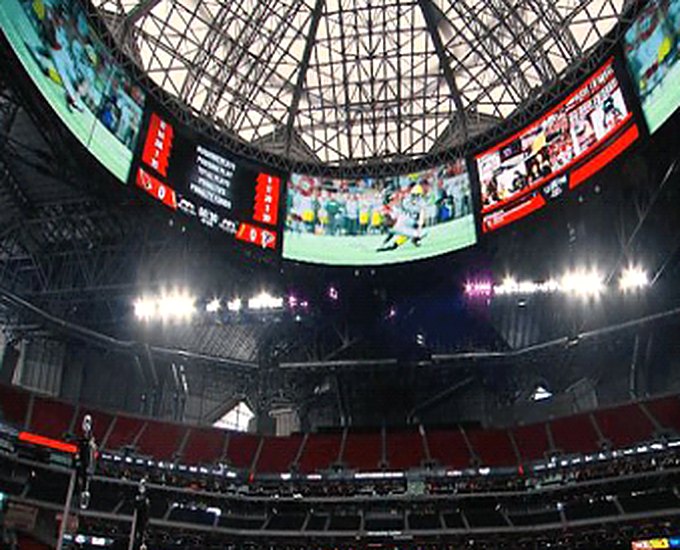
SDVoE protects image fidelity, H.265 protects functionality and cost of access; both receiver types coexist on the same switch.
H.265 preview streams let operators confirm content before switching.
One operator many PCs, one operator many screens, separation of human and machine, cross-screen cursor roaming, one-key push to other desks.
Deeply compressed sources such as IPC cameras connect directly — no need to replace existing front-end equipment.
NDI (Network Device Interface) is an IP-based AV transport technology built for professional AV. It carries high-quality, low-latency video and audio over standard IP networks, and its IP architecture significantly reduces cabling cost while improving flexibility and interoperability.
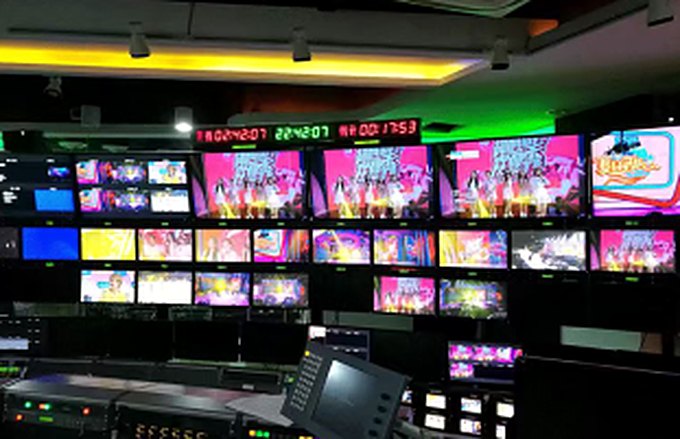
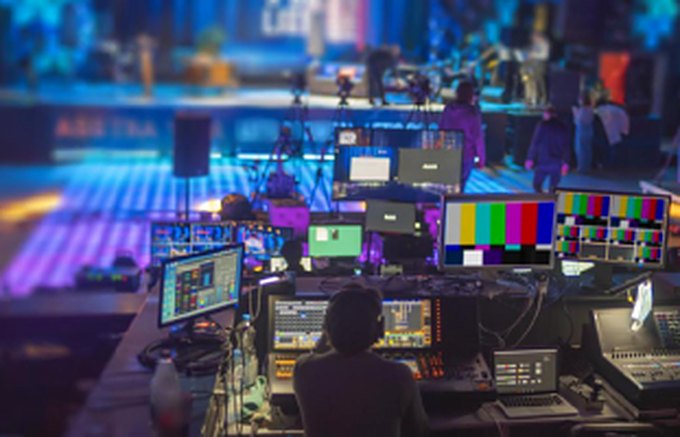

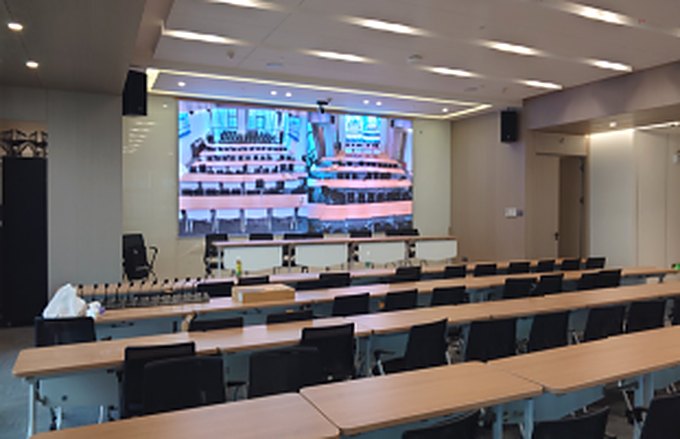
High-quality low-latency streams over standard IP, meeting the real-time demands of live production.
Rides the existing network — no per-signal cabling, short retrofit cycles and low installation cost.
Gigabit is enough to start; scale point counts smoothly without a dedicated matrix.
Automatic device discovery; matches Dante, AES67 and IPMX, compatible with mainstream production software.
An AV-dedicated 10G switching center acts as the backbone, carrying SDVoE uncompressed main links, H.265 deep-compression side links and NDI production streams over one physical network. The switch runs dedicated AV firmware supporting SDVoE, Dante, DanteAV, AVB, Q-SYS, AES67, NDI, JPEG, H.265 and PTP, with automated AV features such as IGMP Plus and Auto-Trunk.
No separate network per protocol — fewer switches and optics, less rack space and power.
SDVoE carries main screens and medical imaging with zero latency and no compression penalty.
H.265 handles IPC, recording and remote venues, saving link capacity where bandwidth is tight.
NDI streams enter broadcast and live production directly — no extra gateway or converter.
A centralized matrix takes the other architectural path: every signal enters one chassis, is switched there, and is distributed to the displays — no codec in the signal path. The AMX series uses a four-per-card modular design that mixes CVBS, VGA, YPBPR, DVI, HDMI, HD-SDI, 3G-SDI, HDBaseT and fiber on the same backplane. A quad-core, four-lane switching chip delivers 32 Gbps, and switching happens with no black, blue or torn frames. Capacities run from 4×4 to 160×160, with dual network and dual control backup, and the chassis can coexist with a distributed system in the same project.
Input and output cards are hot-swappable; nine interface types share one chassis, and capacity grows by card rather than by replacing the frame.
No black, blue or torn frames during switching; illuminated broadcast-grade keys allow switching and setup from the front panel.
Simple splicing is supported; a four-way 4K60 split output card shows four windows on a single display.
Dual network and dual control backup; scene memory survives power loss and restores on boot; over-voltage, over-current, over-temperature and overload protection.
Compare the six routes by compression, latency, image quality and network requirements. Real projects often mix them: SDVoE for main screens, H.265 for side streams, NDI for production — and a centralized matrix where points are concentrated and the chain should stay simple.
| Route | Compression | End-to-end latency | Image quality | Network | Typical scenarios |
|---|---|---|---|---|---|
| SDVoESDVOE | Uncompressed | <0.1ms | 4K60 4:4:4 HDR, visually lossless | 10GbE fiber | Digital operating rooms, command centers, stadiums, high-end meeting rooms |
| H.265H.265 | Deep compression H.264/H.265 | ≈50ms | 4K60 compressed, 16 windows per output | 1GbE · PoE | Meeting rooms, exhibition halls, smart campuses, industrial parks, digital signage |
| Dual EngineDUAL ENGINE | Uncompressed + deep compressed | <0.1ms main link | 4K60 4:4:4 main screen, IPC-compatible side streams | 10GbE + 1GbE | Digital operating rooms, command center desks, multi-space meeting floors |
| NDINDI | IP compression (FULL / HX) | Low latency | Production-grade image quality | 1GbE / 10GbE | Broadcast, live events, education, meetings, medical teaching, theatres |
| Tri EngineTRI ENGINE | Three formats coexisting | Tiered by link | Lossless main screens, compressed side and production streams | 10GbE + 100G uplink | Large command centers, sports broadcast, hospital-wide deployments, exhibition complexes |
| MatrixMATRIX | Uncompressed (backplane) | No codec delay | 4K60 4:4:4, no compression artifacts | Dedicated chassis · not IP | Meeting rooms, lecture halls, command centers, exhibition halls, multi-screen walls |
* Latency and image quality are typical values quoted in the catalogue; actual figures depend on the models selected and on-site network design.
Send us your source types, display points and budget range. Our engineers will assess the signal chain first, then propose a device list.